
High blood pressure often develops quietly, without obvious warning signs. That is one reason it can be missed for years. A person may feel completely normal while elevated pressure is gradually putting extra strain on the heart and blood vessels.
The American Heart Association and American College of Cardiology updated their adult high blood pressure guidance in 2025, emphasizing earlier prevention, accurate measurement and treatment based on a person’s overall cardiovascular risk. The guideline continues to define hypertension as 130/80 mm Hg or higher.
What Your Blood Pressure Numbers Mean
A blood pressure reading has two numbers. The top number, or systolic pressure, measures pressure when the heart beats. The bottom number, diastolic pressure, measures pressure between heartbeats.
| Category | Systolic | Diastolic |
|---|---|---|
| Normal | Below 120 | Below 80 |
| Elevated | 120–129 | Below 80 |
| Stage 1 hypertension | 130–139 | 80–89 |
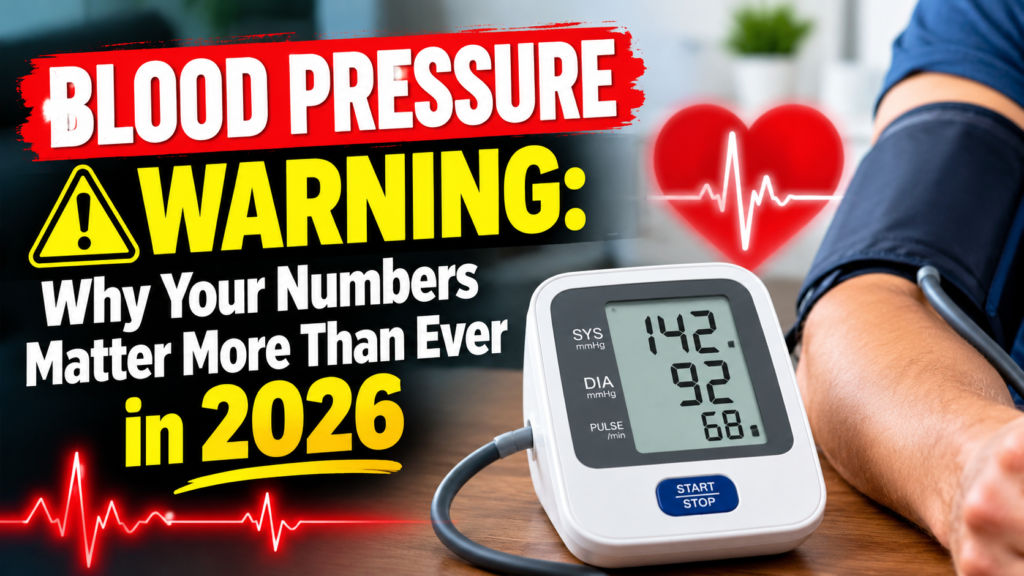
Stage 2 hypertension begins at 140 systolic or 90 diastolic. A single unusual reading does not necessarily establish a diagnosis, which is why repeated measurements and professional evaluation matter.
Why Doctors Are Paying Closer Attention
The concern goes beyond heart disease. High blood pressure is a major risk factor for stroke, heart failure and kidney disease, and the latest guidance also highlights its connection with cognitive decline and dementia.
The 2025 guideline recommends using the PREVENT risk equations in appropriate adults to help estimate cardiovascular risk and guide treatment decisions. It also puts greater emphasis on home monitoring and accurate blood pressure measurement outside the clinic.
Home Monitoring Can Reveal the Bigger Picture
Checking blood pressure at home can help identify patterns that may not appear during a short doctor’s appointment. The American Heart Association recommends using a validated monitor and recording readings over time.
For a more reliable measurement, people should sit with their back supported, keep both feet flat on the floor and support the arm at heart level. Staying quiet and still during the measurement can also improve accuracy.
Regular records can also help healthcare professionals determine whether lifestyle changes or prescribed treatment are working.
Small Changes Can Make a Difference
Managing blood pressure is not limited to medication. Current guidance emphasizes lifestyle measures such as reducing salt intake, maintaining a healthy weight, staying physically active and following a heart-healthy eating pattern.
For people who already have hypertension, lifestyle changes may be combined with medication depending on their blood pressure level and individual cardiovascular risk. Treatment decisions should be made with a healthcare professional rather than based on a single home reading.
When a Reading Becomes an Emergency
A reading above 180/120 mm Hg requires attention. The American Heart Association advises waiting at least one minute and taking another measurement. If it remains that high, medical advice should be sought.
If a reading above 180/120 is accompanied by symptoms such as chest pain, shortness of breath, back pain, weakness, numbness, vision changes or difficulty speaking, emergency medical care is needed.